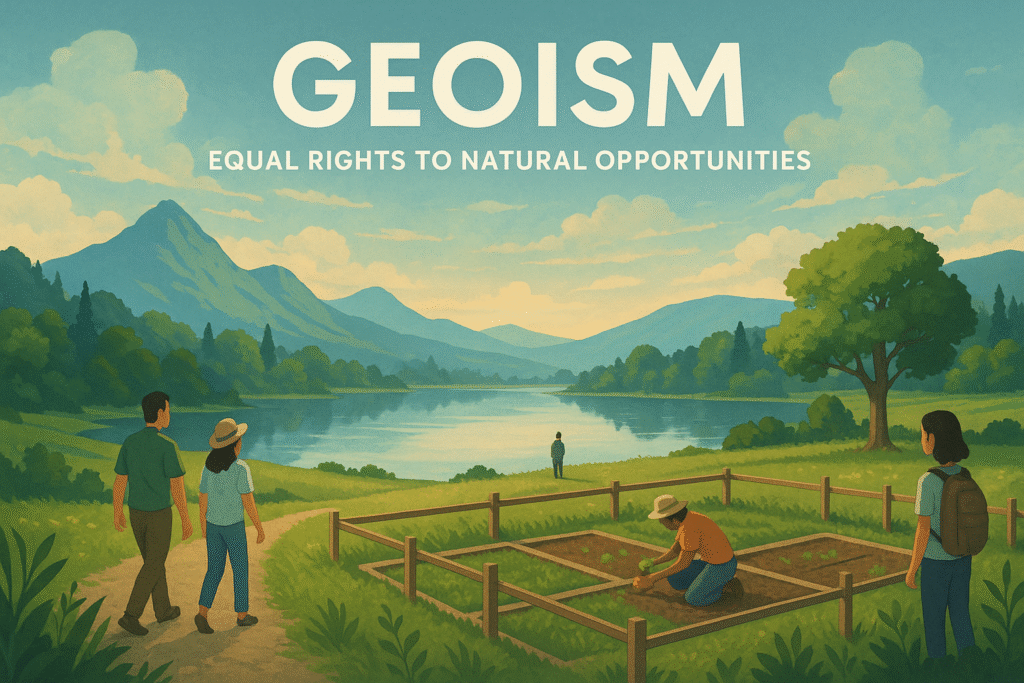
Geoism is a vision of economic and moral justice grounded in the belief that every person has full rights to themselves and an equal right to the natural world. At its core, geoism holds that while individuals own the products of their labor, no one can rightfully claim exclusive ownership of the Earth’s natural resources—such as land, minerals, air, or water—since these were not created by human effort. Instead, natural opportunities should be shared equally, and those who use more than their fair share should compensate those who use less.
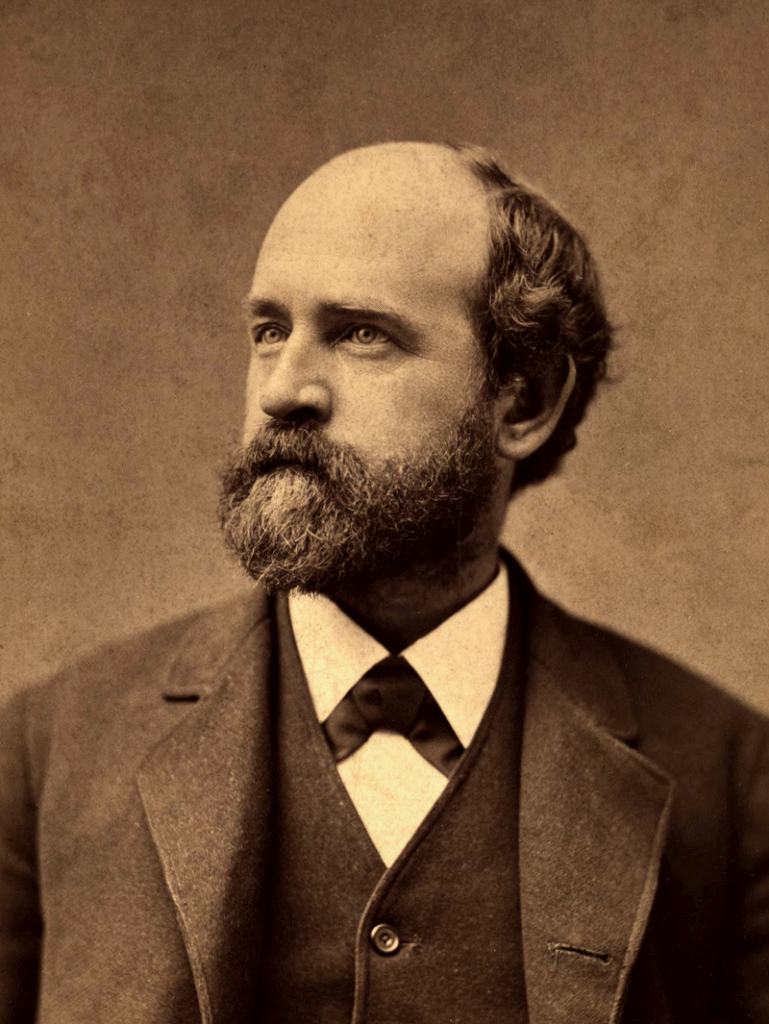
Building on the legacy of 19th-century reformer Henry George, geoism proposes practical ways to align society with these ethical principles. For example, instead of taxing labor or production, geoists support collecting the rental value of land and distributing it equally, allowing communities to thrive without rewarding unearned privilege. Geoism also affirms freedom of association, limits on coercive government power, and voluntary cooperation as key components of a just society.
By combining individual liberty with shared responsibility for the Earth, geoism offers a framework for addressing inequality, environmental sustainability, and global justice. To explore these ideas in more detail, you can read the full paper below.